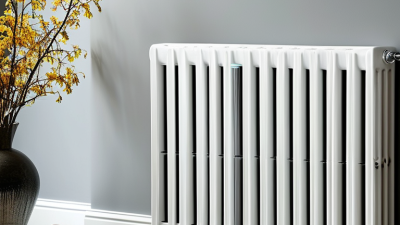
Top Vertical Radiators for Global Buyers?
Choosing the top Vertical Radiators for global buyers requires more than comparing photographs, prices, and polished product claims. A slim radiator beside a tall window can save valuable wall space. However, its real performance depends on heat output, water temperature, room insulation, and installation quality. A beautiful model may still underperform in a poorly insulated room.
Heating consultant Mark Henderson explains, “A vertical radiator should solve a space problem without creating a heating problem.” That practical view matters across international markets. Buyers should check output in watts or BTUs, connection positions, operating pressure, material quality, and corrosion resistance. Steel models often provide strong value and design flexibility. Aluminium versions can heat quickly and weigh less. Electric options may suit rooms without central heating, but energy costs and local electrical rules require careful attention.
Global purchasing adds another layer of responsibility. Confirm recognized safety certification, warranty coverage, packaging strength, and spare-parts availability before ordering. Check whether valves are included. They often are not. Also verify metric or imperial pipe connections, because a small mismatch can delay installation and increase labour costs.
No single product deserves the title of best everywhere. Climate, building standards, room size, and energy prices change the answer. That is an inconvenient truth. Even expert recommendations need testing against local conditions. A reliable comparison should therefore combine measured output, installer experience, user feedback, and transparent technical documentation. This approach helps buyers select Vertical Radiators that look refined, perform consistently, and remain practical beyond the showroom.
What Are Vertical Radiators and How Do They Work?
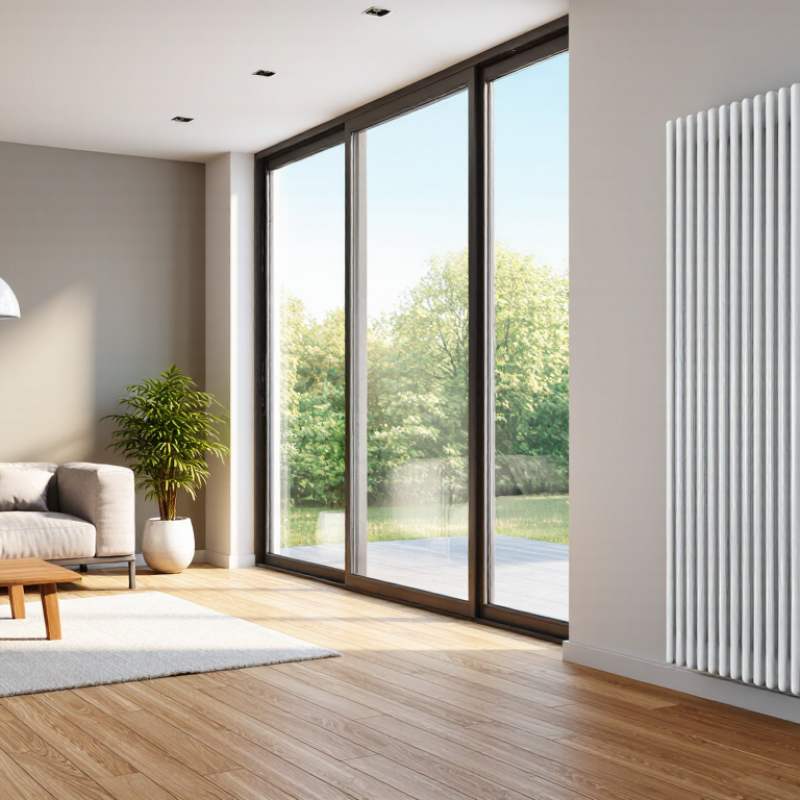
Vertical radiators are tall heating units designed to use wall height instead of floor width. Their narrow shape suits compact rooms, hallways, and spaces beside windows or doors. A typical model contains vertical panels, tubes, or flat columns that warm the surrounding air.
In a hydronic system, heated water enters through a valve and transfers heat to the radiator’s metal body. Warm air rises from its surface, while cooler air moves down to replace it. This creates a continuous convection cycle. Electric versions use internal heating elements instead. They need a suitable voltage, safe wiring, and controls that match local regulations.
Installation details matter more than appearance. The radiator must have enough output for the room’s size, insulation, window area, and climate. A tall unit can look powerful but still heat poorly if its surface area is limited. Measure the wall carefully, including skirting boards and pipe positions. Leave clearance for airflow and maintenance.
A thermostatic valve can help control room temperature, but it cannot fix an undersized radiator. This is an easy mistake to make. I would also rethink placing one behind heavy curtains, because the trapped heat may warm the fabric instead of the room. Global buyers should check connection standards, pressure ratings, corrosion protection, and electrical certification before purchase.
Which Vertical Radiator Types Suit Different Interior Spaces?
Vertical radiators suit different rooms because heat output, wall width, and moisture levels vary. A slim single-panel radiator works well in narrow hallways or compact bedrooms. Its shallow profile leaves more walking space. Double-panel models provide higher output for large living rooms, especially beside tall windows. Check the manufacturer’s output at the intended water temperature, not only its physical height.
Bathrooms need corrosion-resistant tubular or ladder radiators. They offer clear gaps for towels and easier cleaning. Electric versions suit rooms without central pipework, including renovated apartments and guest bathrooms. However, electricity costs and control quality need careful checking. In open-plan kitchens, a high-output double-panel unit can offset cold air near doors, but furniture may block circulation. That mistake is common.
The International Energy Agency reports that buildings use about 30% of global final energy and create roughly 26% of energy-related emissions (IEA, Energy Efficiency 2023). This makes low-temperature compatibility increasingly important. Hydronic vertical radiators designed for heat pumps should be selected by verified output at lower flow temperatures. BS EN 442 provides a useful reference for radiator performance testing. Still, test conditions may differ from a real room. Site insulation, glazing, and thermostat placement can change comfort significantly. A beautiful tall radiator is not automatically an efficient one.
Top Vertical Radiators for Global Buyers
Which vertical radiator types suit different interior spaces?
The chart uses an indicative 1–5 suitability score based on common installation priorities:
space efficiency, heat distribution, visual flexibility, and bathroom functionality. Vertical panel
radiators are practical for compact living areas, column radiators suit traditional and industrial
interiors, designer radiators offer stronger visual impact, and towel radiators are primarily suited
to bathrooms and utility spaces. Actual performance depends on radiator size, water temperature,
insulation, and room heat-loss calculations.
How Should Global Buyers Compare Materials, Sizes, and Heat Output?
Top Vertical Radiators for Global Buyers?
Global buyers should compare radiators by material, size, and verified heat output. Steel models usually offer strong shapes and predictable pricing. Aluminum heats quickly and weighs less, which can simplify wall installation. Cast iron stores heat longer, but it needs stronger support and careful delivery planning. Material alone does not determine performance.
Measure the available wall height, width, and pipe position before requesting quotations. A tall radiator may fit a narrow room, yet its connection points can conflict with existing pipes. Check the manufacturer’s output rating at the stated temperature difference, such as ΔT50 or ΔT60. These figures are not interchangeable. Also compare the room’s calculated heat loss, measured in watts, rather than choosing by appearance. A unit that looks large can still underheat a poorly insulated room.
Tips: Request drawings, test standards, operating pressure, and warranty terms in writing. Confirm metric or imperial connections before shipment. Ask whether the finish tolerates humid rooms and coastal air. One practical mistake is comparing only wattage; installation conditions can reduce real output. I have seen attractive vertical designs perform poorly when curtains cover their upper surface. Leave airflow around the radiator. Recheck the calculation.
 008613968780263

 CONTACT NUMBER
 CONTACT