How to Choose the Right Optical Fiber Adapter for Your Network Needs?
Choosing the right Optical Fiber Adapter is crucial for any network. An incorrect choice can lead to connectivity issues and reduced performance. There are various types of adapters available, each designed for specific applications. For instance, some support single-mode fibers while others are tailored for multi-mode fibers.
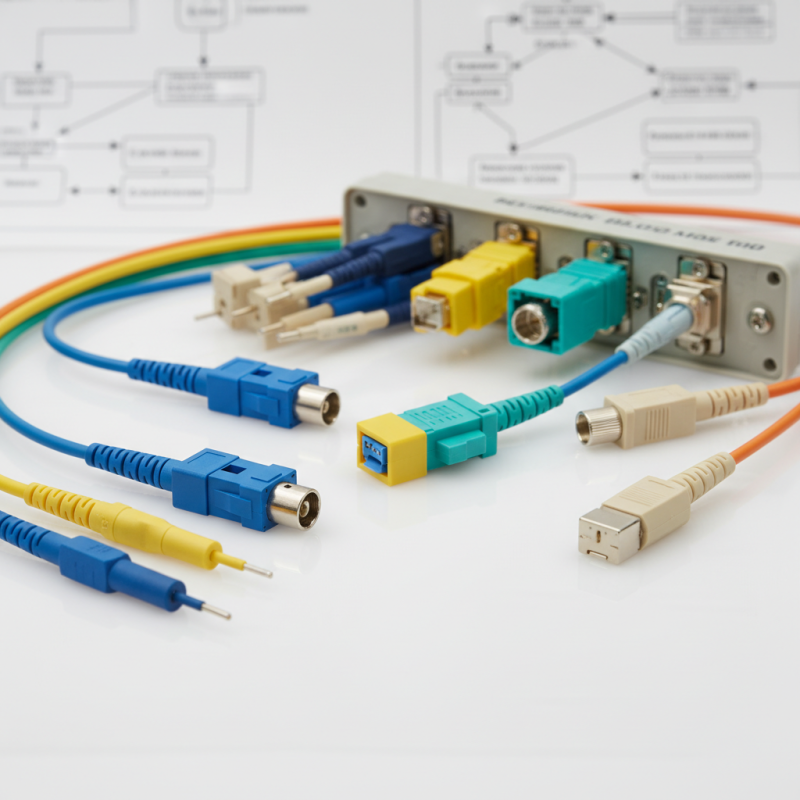
Optical Fiber Adapters connect different fiber connectors and ensure signal integrity. It's essential to consider compatibility with your existing network components. Pay attention to the form factor and physical compatibility. Some adapters might not fit well with certain patch panels.
Think about your future needs as well. What if your network expands? Will the chosen Optical Fiber Adapter still suffice? An adaptable solution might save you time and money in the long run. Make informed choices to maximize your network's efficiency and performance.
Understanding Optical Fiber Adapters: Types and Functions
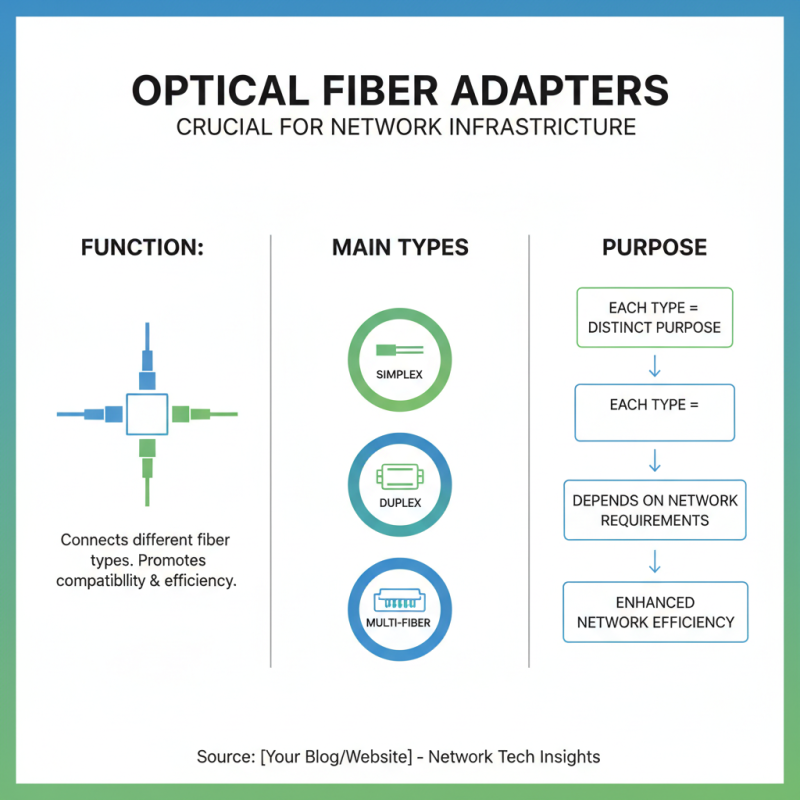
Optical fiber adapters are crucial components in network infrastructure. They allow connections between different fiber types, promoting compatibility and enhancing network efficiency. The main types include simplex, duplex, and multi-fiber adapters. Each type serves a distinct purpose depending on the network requirements.
According to industry reports, fiber optic connections are expected to grow by nearly 25% annually. This increase highlights the need for efficient adapters. Single-mode adapters are effective for long-distance communication, while multimode adapters work well for shorter distances. The choice between these types can greatly influence data transmission quality and network performance.
In practice, selecting the right adapter can be challenging. Factors such as cable type, connector shape, and application environment should be considered. In some cases, users overlook future-proofing their infrastructure. This can lead to costly upgrades down the line. Being informed about the different types and functions of adapters helps prevent these pitfalls. Making a wise decision today can ensure smoother data flow tomorrow.
Key Factors to Consider When Selecting an Optical Fiber Adapter
Choosing the right optical fiber adapter is crucial for your network performance. A key factor to consider is compatibility. Ensure the adapter matches the connectors used in your cables. Mismatched connectors can lead to poor connectivity. Sometimes, people overlook this detail. They face issues later on.
Another important aspect is the adapter's physical dimensions. Some installations have limited space. A bulky adapter won’t fit or may block airflow. Measure your space before making a decision. Additionally, the environment plays a role. Choose adapters made for specific conditions, like high heat or moisture. This choice impacts the long-term success of your network.
Finally, consider the adapter's quality. Cheap options may save money upfront. However, they could fail faster. This leads to increased downtime. Reflect on the long-term effects of such choices. Investing in better quality may pay off in the end. Always balance cost against reliability. A well-made adapter can enhance network performance significantly.
Optical Fiber Adapter Types and Their Usage in Network Needs
Assessing Compatibility with Existing Network Infrastructure
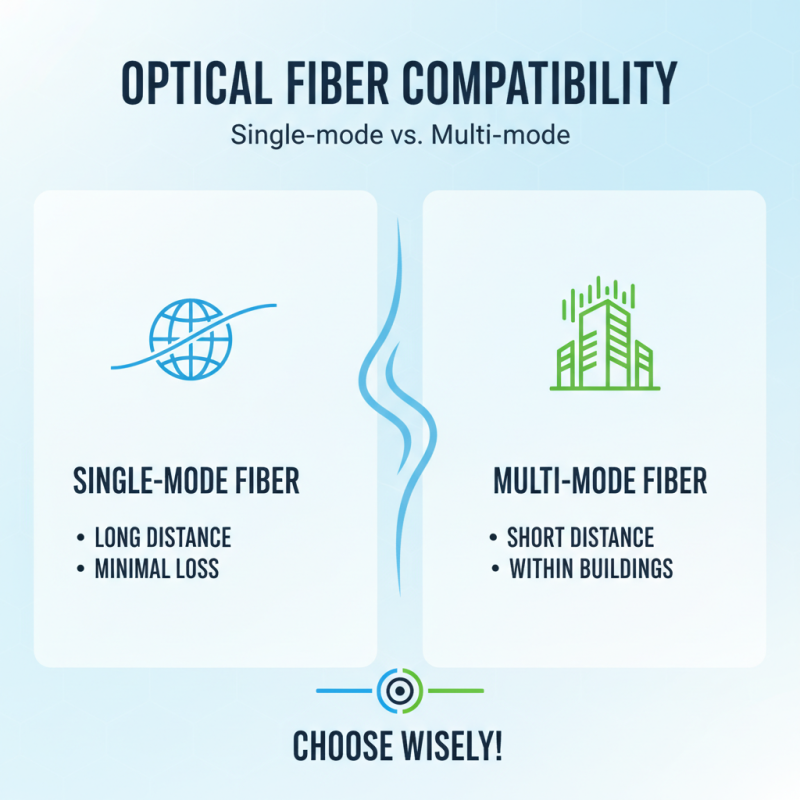
When assessing compatibility with existing network infrastructure, it is crucial to identify the type of optical fiber already in use. Different types of fiber, like single-mode and multi-mode, have distinct performance characteristics. According to industry research, single-mode fiber can transmit data over longer distances with minimal loss, while multi-mode fiber is more suitable for shorter connections within a building. Choosing the right optical fiber adapter means considering these factors.
An imperfect choice could lead to significant issues down the line. For instance, mismatched connectors lead to signal loss. Studies show that improper connections can reduce performance by up to 50%. This situation is problematic for businesses relying on high-speed data transfer. Each network setup has its unique requirements, and blindly selecting an adapter without thorough evaluation can create headaches.
Not all adapters are created equal, and not all situations warrant the same solution. Users often overlook the impact of adapter quality on overall system reliability. A report from the Fiber Optic Association highlights that poor-quality connectors potentially introduce reflections, causing errors in data transmission. Thus, understanding the specifics of existing infrastructure is essential to ensure seamless integration and optimal performance. Each adaptation requires careful consideration, as the implications of small decisions can be extensive.
Evaluating Performance Specifications for Your Network Requirements
Choosing the right optical fiber adapter requires careful evaluation of performance specifications. Different environments and applications demand unique characteristics. For instance, in data centers, low insertion loss is crucial. A report by the Fiber Optic Association indicates that peak performance often means lower than 0.5 dB insertion loss. This can significantly enhance network efficiency.
Consider the type of connector as well. LC connectors are common in high-density applications, while SC connectors serve well in long-distance setups. Incorrect choices can lead to network bottlenecks. The Telecommunications Industry Association suggests that ensuring compatibility reduces interface errors. Often overlooked, these details matter greatly in a large-scale deployment.
Don’t ignore the environment either. Temperature fluctuations and dust can impact adapters' performance. A study from the International Telecommunication Union highlights challenges in extreme conditions. Adaptors exposed to varying temperatures may exhibit increased attenuation. It’s crucial to test in scenarios that mimic actual operational conditions. Small oversights here may lead to significant issues later.
Cost Considerations and Budgeting for Optical Fiber Adapters
When budgeting for optical fiber adapters, understanding costs is vital. Prices vary based on specifications and types. Passive adapters may be cheaper while active ones generally cost more. It's essential to know what you need. This helps avoid overspending on unnecessary features.
Consider the quantity. Buying in bulk can reduce overall costs. However, beware of over-purchasing. You might find yourself with unused adapters. Additionally, factor in potential installation costs. A lower-priced adapter could lead to higher setup expenses if it’s not compatible.
Lastly, evaluate long-term needs. Connectors may need upgrades in the future. Spending a little more now could save money later. Reflect on the scalability of your network. Reviewing these elements will lead to better financial planning.
 008613968780263

 CONTACT NUMBER
 CONTACT