How to Effectively Maintain Your Car Radiator for Optimal Performance
Maintaining the car radiator is crucial for ensuring the overall performance and longevity of your vehicle. The car radiator plays a pivotal role in regulating the engine temperature, preventing overheating, and facilitating efficient operation. An efficiently functioning radiator helps safeguard the engine from potential damage, which could lead to costly repairs if neglected. Therefore, understanding how to properly care for your car radiator can save you time and money in the long run.
Regular maintenance of your car radiator includes checking coolant levels, inspecting for leaks, and ensuring that the radiator fins are clean and free from debris. By keeping an eye on these critical components, you can identify any potential issues before they escalate, thus ensuring your vehicle remains reliable on the road. Additionally, being aware of the signs of radiator problems, such as fluctuating temperature gauges or visible leaks, can prompt timely intervention and prevent serious engine complications.
Ultimately, a well-maintained car radiator not only promotes optimal engine performance but also enhances your driving experience. By investing a little time and effort into radiator upkeep, you can contribute to the vehicle's overall health, ensuring that it runs smoothly for years to come. Emphasizing the importance of routine checks and maintenance procedures will empower you to take charge of your vehicle's care and enhance its reliability.
Understanding the Importance of Your Car Radiator for Performance
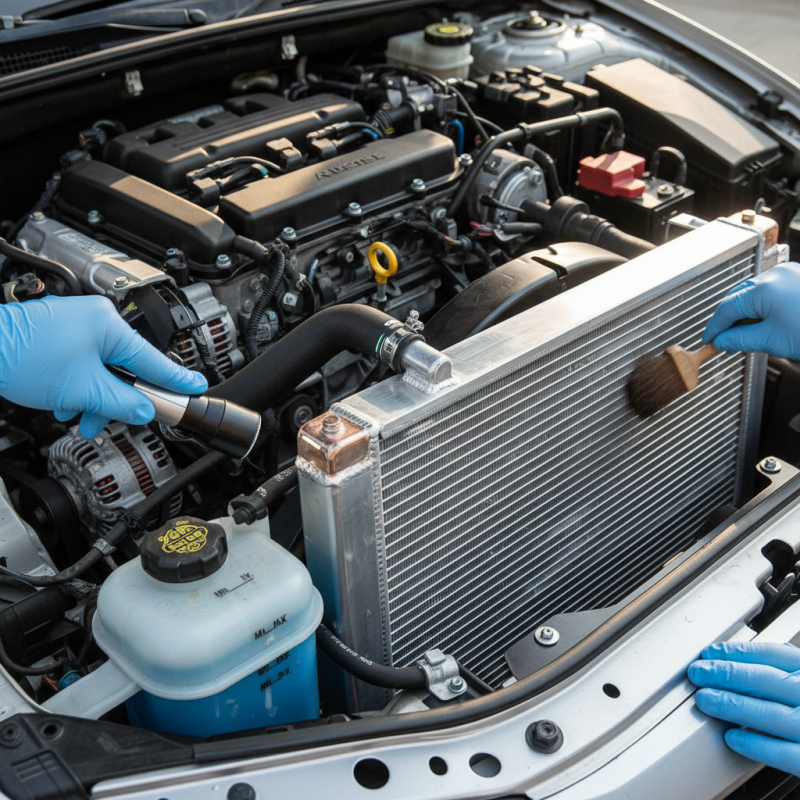
The car radiator plays a crucial role in the overall performance of your vehicle. As the central component of the cooling system, it is responsible for dissipating heat generated by the engine, ensuring that it operates at an optimal temperature. When an engine runs too hot, it can lead to severe damage, including warping or even complete failure. Thus, understanding the importance of a well-maintained radiator can prevent costly repairs and enhance the longevity of your vehicle.
Maintaining your car radiator not only protects the engine but also improves fuel efficiency. A properly functioning radiator allows the engine to run smoothly, which translates to better performance and reduced fuel consumption. Regular checks of the coolant levels, inspecting for leaks, and flushing the radiator at recommended intervals are essential maintenance steps. By prioritizing the health of your radiator, drivers can ensure their vehicles operate efficiently, delivering both power and reliability on the road.
Identifying Common Radiator Issues and Symptoms to Watch For
Monitoring your car radiator's health is crucial for ensuring optimal performance. Common radiator issues often stem from a few telltale symptoms. One of the first signs of radiator trouble is overheating; if your engine temperature gauge frequently rises into the red zone, it could indicate a coolant leak, a clogged radiator, or a malfunctioning thermostat. Keep an eye out for any unusual increase in engine temperature during your drives, as this can lead to severe engine damage if left unaddressed.
Another symptom to watch for is the presence of coolant leaks around the vehicle. If you notice a green or orange fluid pooling beneath your car, it’s a strong indication that your radiator may have a leak. Additionally, if the texture of the coolant appears rusty or has debris floating in it, this might suggest corrosion within the radiator. Regularly checking your coolant levels and inspecting your radiator for leaks can help catch these issues early, allowing for timely repairs and preventing more extensive damage down the line. Ensuring your radiator is in good shape will contribute significantly to your vehicle's overall performance and longevity.
How to Effectively Maintain Your Car Radiator for Optimal Performance - Identifying Common Radiator Issues and Symptoms to Watch For
| Issue |
Symptoms |
Potential Causes |
Recommended Action |
| Overheating |
Temperature gauge reading high, steam from hood |
Low coolant, blocked radiator, broken thermostat |
Check coolant levels, inspect for leaks, flush radiator |
| Coolant Leaks |
Puddles under the vehicle, low coolant level |
Damaged hoses, faulty radiator, loose connections |
Inspect and replace damaged hoses, check radiator condition |
| Discolored Coolant |
Brownish or rusty coolant |
Corrosion in the system, old fluid |
Flush system and replace with fresh coolant |
| Radiator Noise |
Hissing or bubbling sounds |
Trapped air, boiling coolant |
Bleed the system to release trapped air |
| Poor Heat Regulation |
Inconsistent temperature, warm air from heater |
Thermostat failure, air bubbles in the system |
Check thermostat function, bleed cooling system |
Steps to Properly Clean and Flush Your Car Radiator
To ensure your car radiator operates efficiently and extends its lifespan,
proper cleaning and flushing are essential maintenance tasks.
According to a report by the Environmental Protection Agency (EPA), neglecting
regular radiator care can lead to overheating, which is one of the leading causes
of engine failure. Ensuring that the coolant flows freely and is free of contaminants
can optimize the radiator's performance and improve overall engine efficiency.
Begin by safely draining the existing coolant from the radiator. It is advisable to
wear gloves and eye protection during this process, as old coolant may contain harmful
substances. Once the coolant is drained, flush the radiator with clean water
to remove any debris and sediment buildup. Industry studies suggest that a thorough flush
can increase cooling efficiency by up to 25%, significantly
reducing the risk of overheating. After flushing, refill the radiator with a proper mix of
antifreeze and distilled water, as outlined in manufacturer guidelines, to maintain optimal
performance in fluctuating temperatures.
Regular maintenance not only enhances the longevity of the radiator but also
ensures the overall health of your vehicle's engine.
Tips for Checking and Maintaining Radiator Fluid Levels
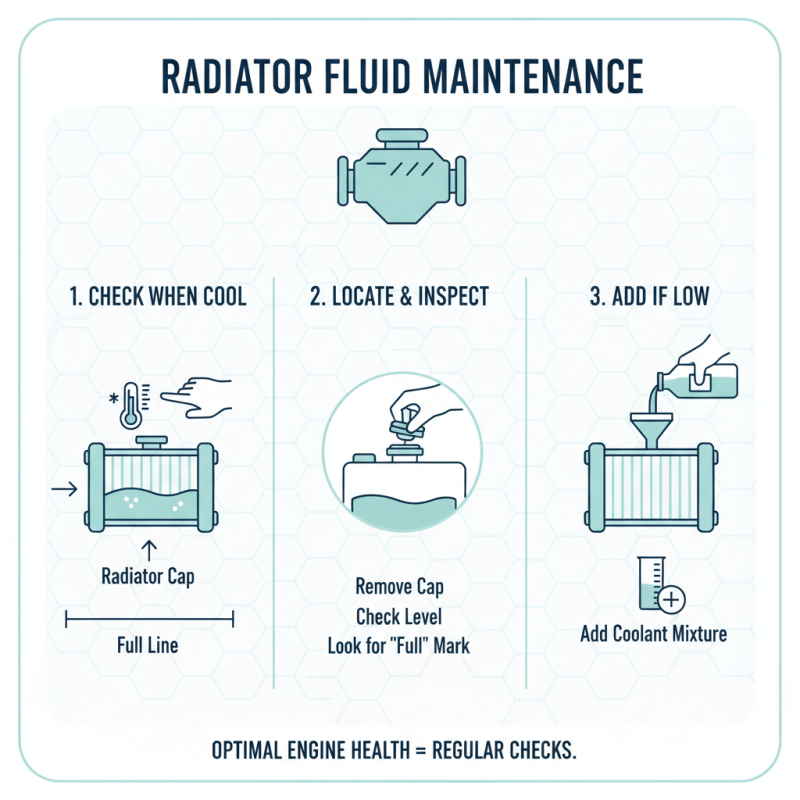
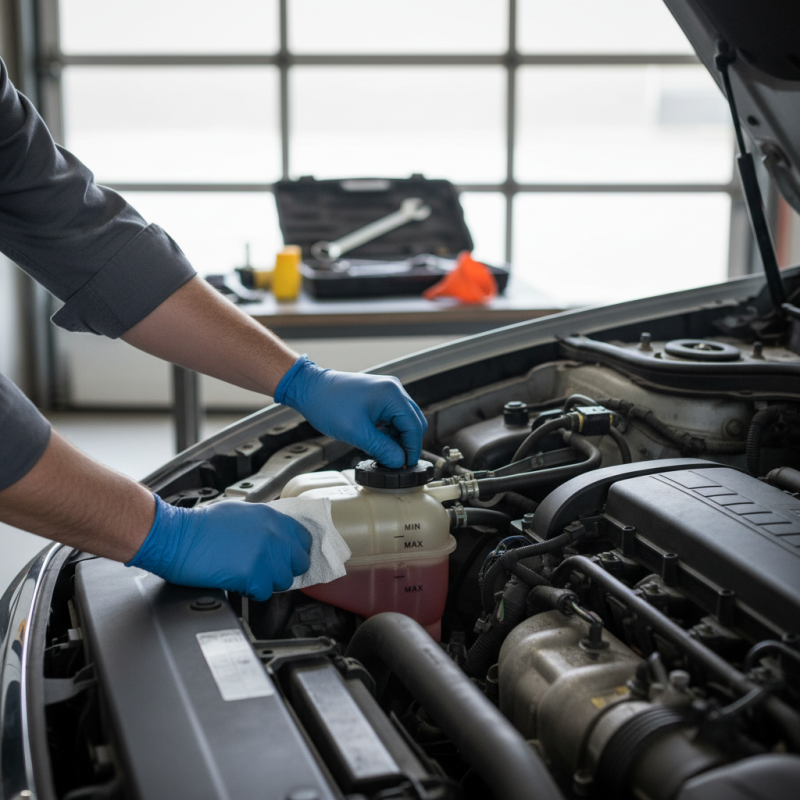
To ensure your car radiator functions optimally, regularly checking and maintaining the radiator fluid levels is essential. Begin by inspecting the fluid in the radiator when the engine is cool. Locate the radiator cap, remove it carefully, and look inside to assess the fluid level. It should be filled to the recommended level, typically marked on the side of the radiator tank. If the fluid appears low, it's vital to add the appropriate coolant mixture to prevent overheating and protect the engine components.
In addition to checking fluid levels, regularly inspect the condition of the radiator fluid itself. Over time, radiator fluid can become contaminated with rust and debris, diminishing its effectiveness. If the fluid appears discolored or has particles suspended in it, it's time for a flush and refill. Moreover, never mix different types of coolant, as this can lead to chemical reactions that may damage the cooling system. By maintaining proper radiator fluid levels and quality, you can prolong the life of your vehicle's engine and improve overall performance.
When to Seek Professional Help for Radiator Repairs and Maintenance
When it comes to maintaining your car’s radiator, recognizing when to seek professional help is crucial for ensuring optimal performance. Studies indicate that approximately 70% of radiator failures stem from neglecting routine maintenance checks (According to the Automotive Maintenance Industry Report, 2022). Regular monitoring of the coolant levels, checking for leaks, and inspecting hoses are vital steps that car owners can take. However, if you notice frequent overheating, unusual noises, or fluid leaks under your vehicle, it’s time to consult a professional mechanic.
Professionals recommend that radiators should be flushed and filled with fresh coolant every 30,000 miles or so to prevent buildup and corrosion (National Automotive Radiator Association, 2022). If your vehicle has reached this milestone and you haven't done so, it’s an ideal time to seek expert assistance. Additionally, if the radiator’s pressure cap shows signs of wear or the radiator core is damaged, a qualified technician should handle the repair. Ignoring these issues can lead to more significant engine problems, costing much more than timely maintenance. Being proactive about radiator care not only enhances the performance of your vehicle but also prolongs its lifespan.
 008613968780263

 CONTACT NUMBER
 CONTACT