Leave Your Message

Why Choose Aluminum Heat Sink for Global Sourcing?

Why Choose Aluminum Heat Sink for Global Sourcing?

Global manufacturers often choose an Aluminum Heat Sink because it balances thermal performance, weight, cost, and production flexibility. Aluminum transfers heat efficiently while remaining lighter than copper. This matters when products must travel across continents and fit inside compact enclosures. Extruded aluminum profiles can also support repeatable production, reasonable minimum order quantities, and customized fin designs.

“Thermal performance depends on the entire heat-flow path, not the sink alone,” says Dr. Yogendra Joshi, a recognized thermal-management researcher. His observation is practical. A well-designed Aluminum Heat Sink cannot compensate for poor contact pressure, unsuitable thermal interface material, or restricted airflow. Engineers must evaluate the complete assembly, not only the metal profile.

Details often decide sourcing success. A 6063 aluminum extrusion may provide a useful balance of conductivity, finish, and machinability. Anodizing can improve surface protection and appearance, but it may slightly affect thermal behavior. Suppliers should provide dimensional inspection reports, alloy information, surface-treatment specifications, and thermal test data. Factory audits and sample validation add further confidence.

Still, global sourcing is not effortless. Freight costs change. Tooling assumptions may be incomplete. A supplier with an attractive quotation may lack stable process control. That risk deserves attention.

Real projects also reveal imperfections. A prototype can perform well in a laboratory but fail inside a sealed product housing. Therefore, buyers should test production-intent samples under realistic temperatures, airflow, vibration, and mounting conditions. The best decision combines engineering evidence, supplier experience, communication quality, and long-term reliability. Cost matters. Consistency matters more.
Why Choose Aluminum Heat Sink for Global Sourcing?

What Is an Aluminum Heat Sink?

Why Choose Aluminum Heat Sink for Global Sourcing?

What Is an Aluminum Heat Sink?

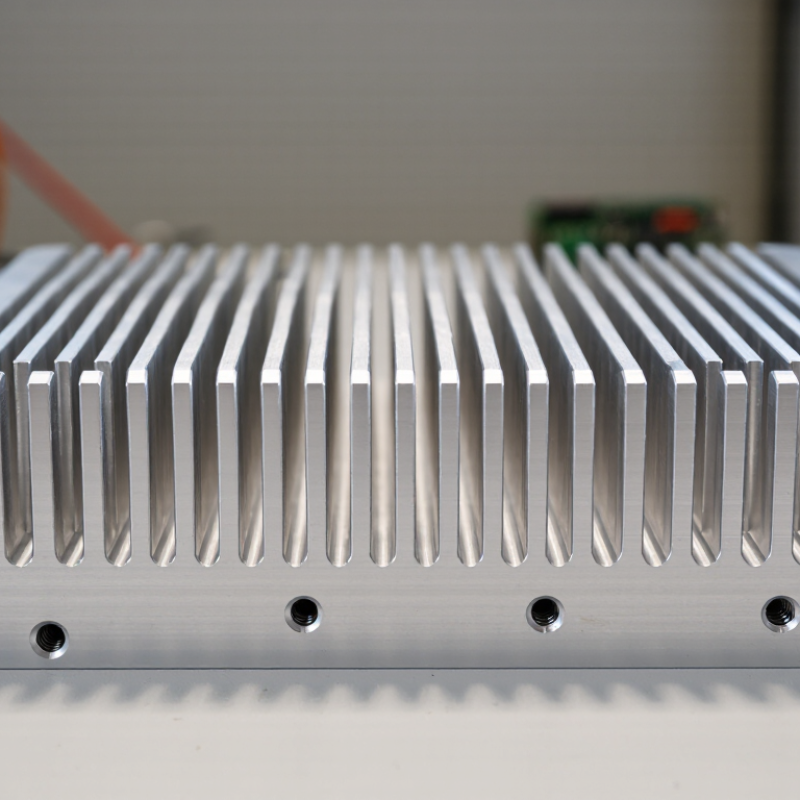
An aluminum heat sink is a passive thermal-management component. It draws heat from an electronic device and releases it into surrounding air. A flat base contacts the heat source. Thin fins increase the exposed surface area. Air then carries heat away through natural or forced convection.

Aluminum is widely used because it combines low weight, good thermal conductivity, and practical manufacturability. Common alloys provide thermal conductivity near 200 W/m·K, while remaining easier to extrude than many heavier metals. Extrusion creates consistent fin profiles and supports high-volume production. Die casting suits complex shapes. Machining can improve contact surfaces, but it adds cost and material waste.

Material access matters in global sourcing. The U.S. Geological Survey’s Mineral Commodity Summaries 2024 estimated global primary aluminum production at about 70 million metric tons in 2023. That broad supply base can reduce sourcing pressure. It does not guarantee stable pricing. Energy costs, transport, alloy availability, and regional processing capacity still affect quotations.

The International Aluminium Institute reports that recycled aluminum requires roughly 5% of the energy used for primary production. This supports lower-impact procurement when recycled content is verified. Yet recycled alloys may vary in composition. That detail is easy to overlook. Buyers should confirm thermal conductivity, alloy grade, surface treatment, flatness, and fin geometry before approval. A heat sink that looks efficient may perform poorly when airflow is restricted or the mounting interface is uneven. Specification discipline remains essential.

Why Choose Aluminum Heat Sink for Global Sourcing? - What Is an Aluminum Heat Sink?

Data Dimension Typical Data or Range Why It Matters for Global Sourcing
Definition A passive thermal component that transfers heat from an electronic device to the surrounding air. The standardized function makes specifications easier to compare across international suppliers.
Primary Material Commercial aluminum alloys, commonly from the 1xxx, 3xxx, or 6xxx series. Aluminum offers a practical balance of thermal performance, weight, availability, and manufacturing cost.
Thermal Conductivity Approximately 150–235 W/m·K, depending on alloy, temper, and manufacturing process. Higher conductivity generally improves heat spreading, although fin geometry and airflow are also critical.
Density Approximately 2.70 g/cm³. Low density reduces shipping weight and supports lighter equipment designs.
Common Manufacturing Methods Extrusion, die casting, skiving, stamping, CNC machining, and bonded-fin assembly. The selected process affects tooling cost, minimum order quantity, dimensional tolerance, and lead time.
Typical Surface Treatments Anodizing, chemical conversion coating, powder coating, painting, or untreated mill finish. Surface treatment can improve corrosion resistance, appearance, electrical insulation, or emissivity.
Thermal Resistance Often specified in °C/W; the actual value depends on size, fin design, mounting, and airflow. A lower thermal-resistance value indicates better heat dissipation under defined test conditions.
Cooling Mode Natural convection, forced-air cooling, or liquid-cooled system integration. The operating environment determines fin spacing, heat-sink size, and whether a fan is required.
Weight Advantage Aluminum is substantially lighter than copper at the same volume. Lower component weight can reduce freight cost and simplify installation or handling.
Dimensional Considerations Base thickness, overall length and width, fin height, fin pitch, mounting holes, and flatness. Clear drawings and tolerances reduce installation problems and improve supplier quotation accuracy.
Electrical Properties Aluminum is electrically conductive unless insulated or separated from the circuit. Designers should specify insulation pads, coatings, or grounding requirements where necessary.
Corrosion Resistance Aluminum naturally forms a thin protective oxide layer; additional treatment may be needed in harsh environments. Environmental exposure, humidity, salt spray, and contact with dissimilar metals should be reviewed before sourcing.
Recyclability Aluminum can be recycled repeatedly when collected and processed through suitable recycling systems. Recyclability can support material-efficiency targets and sustainability reporting.
Key Sourcing Documents Technical drawing, material specification, surface-finish requirement, thermal test method, inspection plan, and packaging standard. Complete documentation helps align international suppliers on quality, compliance, testing, and delivery expectations.

How Aluminum Heat Sinks Manage and Distribute Heat

Why Choose Aluminum Heat Sink for Global Sourcing?

How Aluminum Heat Sinks Manage and Distribute Heat

Aluminum heat sinks move heat away from electronic components through direct metal contact. Heat travels from the device into the sink’s base. It then spreads across the aluminum body and reaches the fins. These fins increase surface area, allowing surrounding air to carry heat away. Simple physics, but small design choices matter.

In practical assembly reviews, I check the base flatness, fin spacing, and thermal interface material. A thin, even interface layer reduces contact resistance. Wider fins may improve airflow, while narrow fins can provide more surface area in limited spaces. The right balance depends on fan pressure, enclosure size, and operating temperature. Bigger is not always better. I still see designs that ignore dust buildup and restricted airflow.

Tips: Match fin direction with airflow. Keep the mounting surface clean. Confirm thermal performance under real load, not idle conditions. Ask suppliers for alloy details, dimensional tolerances, and inspection records. These documents support consistent global sourcing and make quality issues easier to trace. Aluminum also offers low weight, corrosion resistance, and efficient manufacturing. However, performance depends on geometry and installation, not material choice alone. A well-designed sink can fail when screws apply uneven pressure or the interface pad is too thick. That detail deserves another review.

Key Benefits of Aluminum for Global Sourcing

Why Choose Aluminum Heat Sink for Global Sourcing?

Aluminum remains a practical choice for heat sinks in international supply chains. Its low density reduces freight weight and makes handling easier during assembly. Weight matters. Compared with heavier metals, aluminum can lower shipping costs without sacrificing useful thermal performance. Its natural corrosion resistance also supports storage in changing climates, from humid ports to dry warehouses.

The key benefit is manufacturing flexibility. Aluminum can be extruded, machined, stamped, or skived into detailed fin patterns. These processes support both compact electronics and larger industrial enclosures. Thermal conductivity varies by alloy, thickness, and surface treatment, so material selection requires technical review. Do not assume every aluminum grade performs equally. A lower unit price can hide weaker cooling results or higher finishing costs.

Reliable global sourcing depends on more than material choice. Request alloy certificates, dimensional reports, and thermal test data before approval. Samples should match production tooling, not only look attractive in photographs. Check fin spacing, flatness, mounting holes, and interface surfaces carefully. Packaging deserves attention. Small scratches matter. I have seen minor deformation create poor contact and extra assembly work. Aluminum is not perfect, but its balance of weight, machinability, availability, and recyclability makes it a strong option when specifications are verified carefully.

How to Evaluate Suppliers, Quality, and Manufacturing Standards

Choosing an aluminum heat sink for global sourcing requires more than comparing unit prices. Supplier evaluation should begin with process capability, technical records, and consistent communication. Ask for alloy specifications, extrusion or machining details, surface treatment data, and recent inspection reports. A capable supplier can explain thermal resistance, base flatness, fin dimensions, and acceptable tolerances in practical terms.

Quality checks should match the application. Measure fin spacing with calibrated tools. Inspect the contact surface for burrs, dents, and uneven anodizing. Request material certificates and sample test results, not only attractive prototypes. ISO 9001 certification can support process control, but it does not replace production audits. Small errors matter. A heat sink with poor flatness may create weak contact with the device, reducing cooling performance.

Manufacturing standards also need clear documentation. Confirm incoming material checks, first-article approval, batch traceability, packaging protection, and final inspection procedures. For international shipments, ask whether product declarations meet the destination market’s requirements. A supplier may pass one audit and still struggle with repeatability. That possibility deserves attention. A polished sample can hide production weaknesses. Compare several batches, review corrective-action records, and test thermal performance under realistic airflow. Cost savings are useful only when quality remains stable.

Cost, Logistics, and Application Considerations for International Buyers

Why Choose Aluminum Heat Sink for Global Sourcing?

For international buyers, aluminum heat sinks balance cost, logistics, and thermal performance. The USGS Mineral Commodity Summaries 2024 estimates global primary aluminum output at about 70 million metric tons in 2023. That broad supply base can support competitive quotations and flexible production locations. Aluminum also offers efficient heat transfer with lower weight than copper. This matters when freight costs rise or equipment has strict weight limits. However, a low unit price can become a false economy. Tooling, surface treatment, packaging, inspection, duties, and inland delivery all affect landed cost.

Logistics requires closer attention than many buyers expect. The World Bank’s Logistics Performance Index 2023 shows clear differences in customs efficiency, infrastructure, and shipment reliability between trading markets. A technically strong supplier may still create delays. Specify carton strength, moisture protection, pallet dimensions, and acceptable cosmetic defects before production. The International Aluminium Institute reports that recycled aluminum uses roughly 5% of the energy required for primary aluminum production. Recycled content may support sustainability goals, but buyers should verify alloy consistency and traceability.

Tips: Compare landed cost, not the factory quote. Request thermal test data at your actual airflow and mounting pressure. Confirm alloy, flatness, anodizing thickness, and packaging photographs. Keep a second qualified source where volumes justify it. Dual sourcing costs more at first. It can prevent an expensive interruption later. A practical review should also challenge its own assumptions, because forecast freight rates and energy prices rarely remain stable.

Why Choose Aluminum Heat Sink for Global Sourcing?

Cost, logistics, and application considerations for international buyers

Aluminum has a substantially lower density than copper and steel, reducing the shipping mass of equivalent-volume heat sinks. Its thermal conductivity is also suitable for many electronics cooling applications, while extrusion-friendly aluminum alloys can support efficient, scalable production. Actual sourcing cost depends on alloy, profile complexity, order volume, energy prices, tooling, freight, and regional tariffs.

Indicative room-temperature values: aluminum 6063, copper, and carbon steel. Density values are based on standard engineering reference data; thermal conductivity varies by grade, temper, and operating temperature.