
 008613968780263




Needle connector
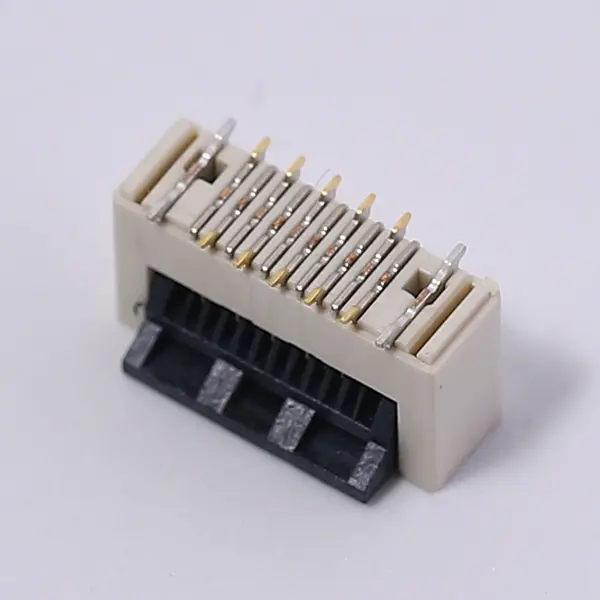

FPC connector 10P
01
FPC connectors are precision electronic interface components designed specifically for flexible printed circuits (FPC). Characterized by fine pitches such as 0.3mm and 0.5mm, along with lightweight and thin structures, they have become the core solution for achieving flexible connections in modern electronic devices. Their integrated locking mechanisms (such as flip - type and pull - type buckles) can provide stable clamping force, avoiding poor contact even in high - frequency vibration environments and ensuring the continuity of signal transmission.
In the consumer electronics field, FPC connectors are the "nerve hubs" of smartphones. The transmission of display signals between the screen and the motherboard, the conduction of image data in camera modules, and the connection of induction signals in fingerprint recognition modules all rely on them. The touchpad cables of laptops, the hinge circuits of foldable screens in tablets, and the flexible connection between the dial and the body of smart watches also need to rely on their high - density pin design to complete multi - signal synchronous transmission in a millimeter - level space.
01
In industrial and smart home scenarios, FPC connectors are also indispensable. The pan - tilt control circuit of drones realizes uninterrupted signal transmission during 360° rotation through them. The interaction between the side brush motor of sweeping robots and the main control board depends on their wear - resistant characteristics. The linkage between the touch panel of smart refrigerators and the refrigeration system benefits from their wide temperature range adaptability (-40℃ to 85℃).
01
In emerging fields, the curved sensor circuits of wearable devices, the flexible electrode connections of medical monitors, and the foldable cables of in - vehicle central control screens all rely on the SMT patch technology of FPC connectors to achieve automated assembly. At the same time, they meet the requirements of environmentally friendly materials and high - speed transmission (supporting protocols such as USB 3.1 and LVDS). This component, which integrates flexibility, reliability, and compatibility, is constantly promoting the evolution of electronic devices towards being lighter, thinner, and smarter.