
 008613968780263


News

0102030405
Fiber Optic Adapter: The "Invisible Bridge" Connecting the High-Speed World
2025-10-08
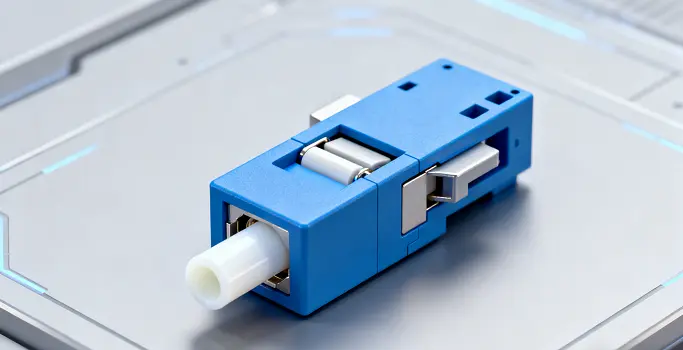
When you're smoothly streaming a 4K movie in the living room or remotely accessing high-definition design files from the cloud in the office, you might never think about the unassuming yet crucial "connector" behind the data flow — theAdapter Fiber Optic. Just like a "transportation hub" on the data transmission path, it silently enables precise connection between different fiber optic devices, ensuring that gigabits of information are transmitted per second without hindrance.
Despite its small size (usually no bigger than a fingernail), the fiber optic adapter boasts impressive "micron-level precision" capabilities. Its core function is to align the cores of two fiber optic cables, minimizing the loss of optical signals. Imagine this: the core of a fiber optic cable is thinner than a human hair. To make two beams of light "shake hands" perfectly instead of "passing each other by," the ceramic ferrule inside the adapter comes into play. This specially made ceramic not only has strong insulation properties but also controls the alignment error within 0.1 microns — equivalent to one-thousandth the diameter of a human hair. It is precisely this level of accuracy that ensures our video calls have no lag and online games are free from stuttering.
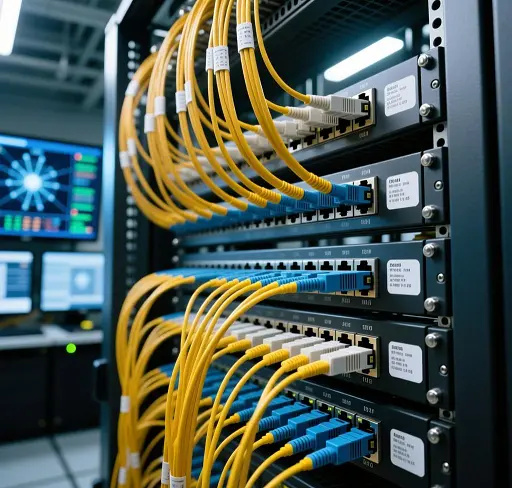
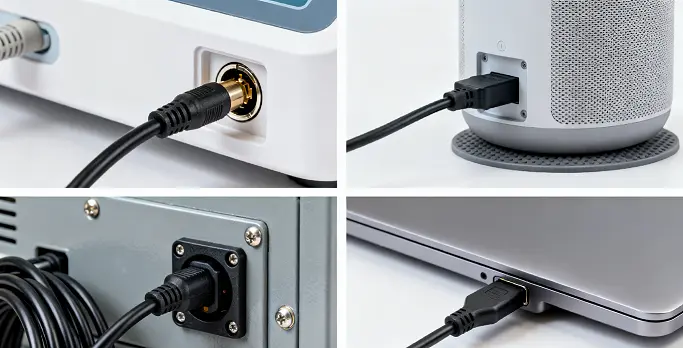
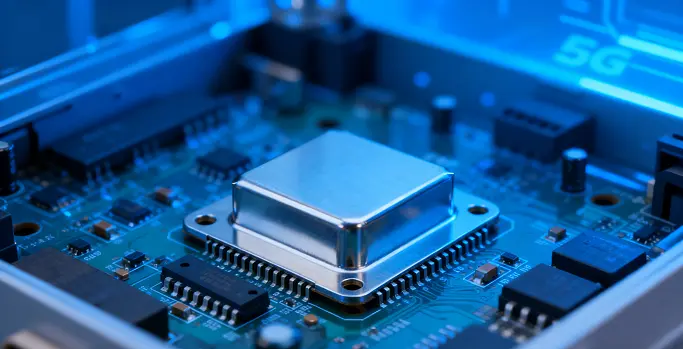
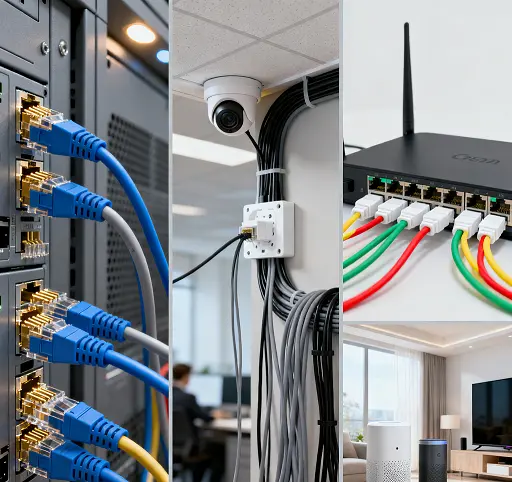
In daily life, Fiber Optic Adapters can be found everywhere. Behind the optical modem at home, inside the port where the fiber optic patch cord is plugged in, lies a fiber optic adapter. In data centers, thousands of servers are connected via these adapters to form a massive fiber optic network, supporting the traffic peak during e-commerce promotions. Even in MRI equipment in hospitals, they help precision instruments transmit high-definition medical images. Unlike traditional network cable ports,fiber optic adapters also have the advantages of anti-interference and resistance to high and low temperatures. They can work stably even in extreme cold of -40°C or in high-temperature and humid server rooms — a key reason why they have become the "infrastructure" for new technologies such as 5G and the Internet of Things.
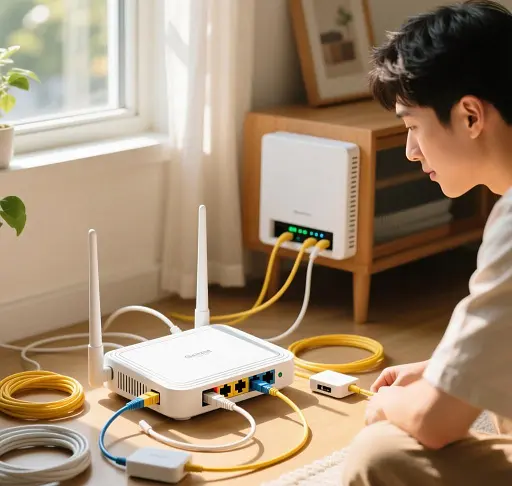
Today, with the advancement of the "Eastern Data and Western Computing" project and the popularization of smart home appliances, our demand for network speed is growing ever higher. The Adapter Fiber Optic, like a "seamless toll station" on the high-speed information highway, undertakes the important task of connecting the future with its tiny body. Next time you enjoy a smooth network experience, take a moment to remember this silent "invisible hero" — it is because of its existence that our connection to the digital world becomes even closer.