
 008613968780263


News



0102030405
New Trends in the Global Heating Radiator Industry: Coexistence of Changes and Opportunities Against the backdrop of global energy structure adjustment and the growing popularity of environmental prot
2025-09-08
Technological Innovation Leads the New Direction of Development
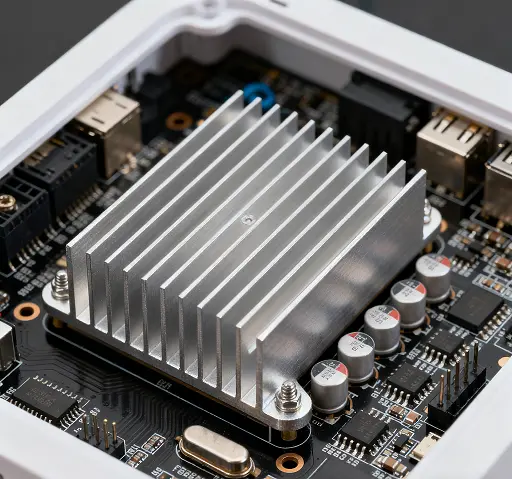
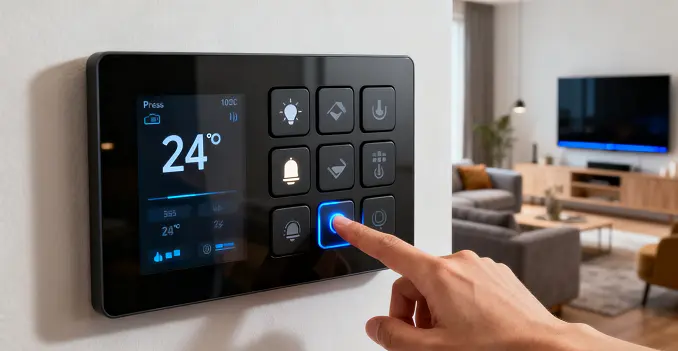
Currently, technological innovation in radiators centers on two core aspects: energy conservation and intelligence. On one hand, high-efficiency heat dissipation materials are constantly emerging. For instance, new aluminum alloys, with their excellent thermal conductivity and lightweight advantages, have stood out in the market. Some enterprises can accurately match alloy combinations based on customers' needs for product performance and lightweight, achieving a win-win situation of cost control and performance improvement. On the other hand, intelligent temperature control technology has become a new favorite in the industry. By integrating intelligent temperature control systems, radiators can automatically adjust the temperature according to the indoor environment, which not only improves comfort but also significantly reduces energy consumption. For example, some verticAl Radiators designed for high-end commercial scenarios integrate features such as intelligent temperature control and silent operation, meeting the strict requirements for high-quality heating in specific places.
Market Demand Shows Diversified and Customized Trends
The increasingly diversified needs of consumers have driven the radiator market towards segmentation and customization. Household users are more inclined to choose products that combine aesthetics, space-saving, and low energy consumption to adapt to diverse home decoration styles. For example, compact radiators with colorful appearances targeting the young home market are very popular. The commercial sector tends to adopt high-power and modular solutions to meet the central heating needs of large office spaces, shopping malls, and other places. Due to the special working environment, industrial customers pay more attention to the durability and corrosion resistance of products, making radiators made of high-strength corrosion-resistant materials their first choice. Under such circumstances, enterprises with OEM customization capabilities have stood out. They work closely with customers throughout the process from design drawing confirmation to sample production to ensure that the products align with the brand positioning and market demands.
Global Competitive Pattern and Cooperation Opportunities
From a regional perspective, Europe, North America, and the Asia-Pacific region are the major markets for heating radiators. Europe leads in technology and market size with its well-developed district heating systems and strict environmental regulations. Affected by extreme climates, the demand for electric heating and gas equipment in North America continues to grow. In the Asia-Pacific region, especially in China, driven by the "dual carbon" goal, the transformation of clean energy and the application of intelligent technologies are developing vigorously. The market size is expected to exceed 400 billion yuan in 2025, with a stable annual compound growth rate of over 8%. In the competitive pattern, leading enterprises dominate the market with their brand, technology, and scale advantages, and the combined market share of the top five global brands reaches 34%. Meanwhile, small and medium-sized manufacturers gain a share of the market by focusing on customized services for segmented scenarios. In this process, international cooperation has become increasingly frequent. For example, local Chinese brands have increased their international market share to 22% with their cost-effectiveness advantages, and some enterprises have accumulated experience and expanded the market by providing OEM services for European and American brands.
Policies and Regulations Reshape the Industry Ecology
Countries around the world have successively introduced policies and regulations to standardize the development of the radiator industry. The new EU Ecodesign Directive will take effect in 2025, raising the minimum energy efficiency threshold for gas-fired boilers to 92%. China's Winter Clean Heating Plan (2023-2025) clearly prohibits the construction of new coal-fired boiler projects. These policies have prompted enterprises to accelerate technological upgrading, eliminate backward production capacity, and drive the industry towards green and high-efficiency development. By obtaining international authoritative certifications such as CE, ISO, and UL in advance, enterprises can smoothly enter major global markets and reduce trade barriers, which has also become a key advantage for enterprises in international competition.
In conclusion, the global heating radiator industry is in a period of rapid change. Technological innovation, market diversification, international competition, and policy standardization constitute the main theme of the industry's development. For OEM vertical radiator exporters, accurately grasping market trends, continuously improving customized service capabilities, product quality, and technical level, and actively integrating into international cooperation are the keys to seizing opportunities in the fierce market competition and achieving sustainable development.