In router products, the adaptability and practicality of
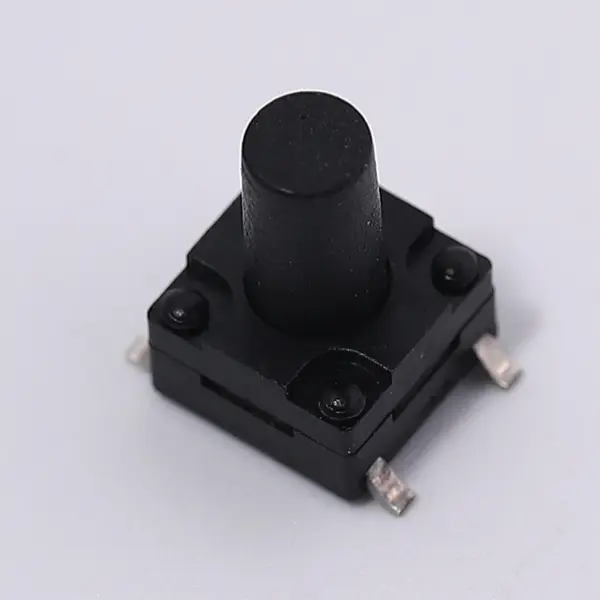
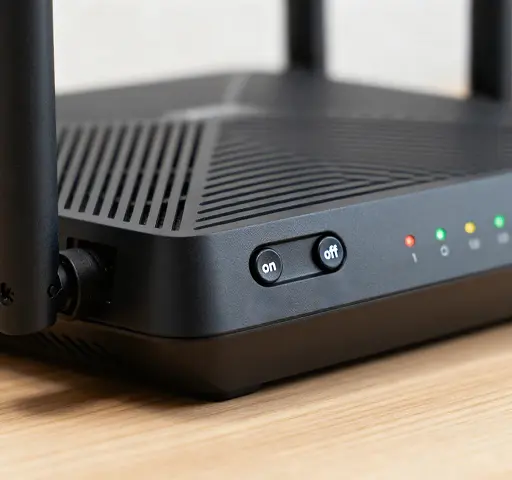
Tactile Buttons are particularly prominent. Core function buttons on routers, such as reset buttons, WPS pairing buttons, and signal enhancement buttons, mostly adopt the design of
Tactile Buttons. When pressed, users can clearly feel a "click" sensation, instantly confirming that the operation has been triggered. For example, when long-pressing the reset button, clear feedback prevents reset failure due to insufficient pressing force; when short-pressing the WPS button, tactile feedback allows users to quickly determine whether the pairing mode has been successfully activated without repeatedly checking the indicator lights. Meanwhile, routers are often placed in corners, junction boxes, or other hard-to-see locations, so the blind-operation adaptability of
Tactile Buttons is crucial. Users can complete functional operations solely through the tactile sensation of their fingertips without visual assistance, greatly improving usability.
Beyond routers,
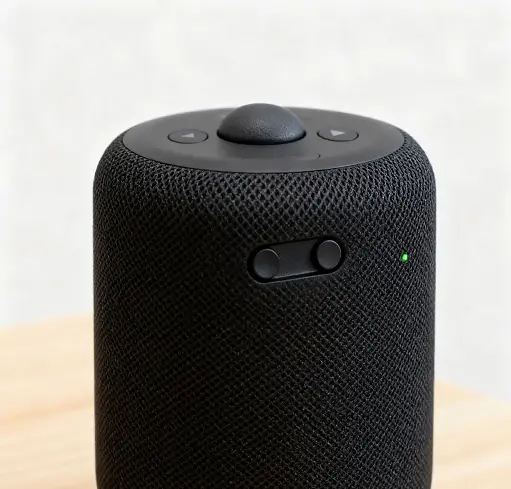
Tactile Buttons also play an important role in other consumer electronics. After smart speakers adopt
Tactile Buttons for volume adjustment buttons and play/pause buttons, users can distinguish different button functions through touch during blind operations, avoiding mispresses. Portable power banks use
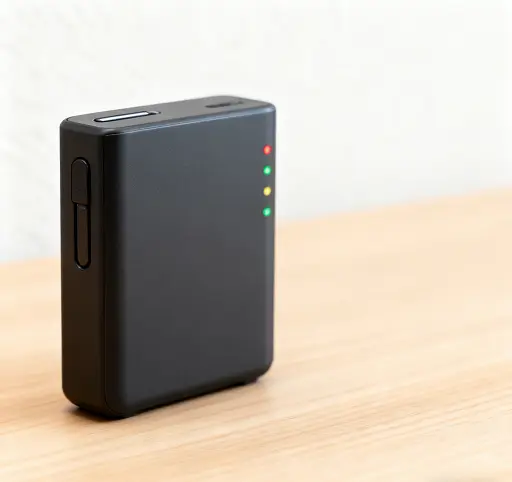
Tactile Buttons for power-check buttons; the clear feedback when pressed prevents repeated presses caused by ambiguous operation, extending the device's battery life. Sports headphones employ
Tactile Buttons for mode-
switching buttons; even during exercise, users can quickly switch between music or call modes through touch without frequently lowering their heads to check the device.
In terms of adaptive design for consumer electronics,
Tactile Buttons offer flexible customization advantages. Their triggering force and size can be precisely adjusted according to the usage scenarios of different products. For devices like routers and power banks that require anti-mispress protection, the triggering force is set between 150-200gf to prevent accidental touches from disrupting functions. For devices with high-frequency operations such as smart speakers and headphones, the triggering force is appropriately reduced to 100-150gf to reduce fingertip fatigue from long-term operation. Additionally, the miniaturized design of
Tactile Buttons (with a minimum size of 3mm×3mm) can adapt to the compact internal structure of consumer electronics without occupying excessive space, meeting the lightweight and thin design requirements of products.
As consumer electronics develop towards intelligence and portability, users have increasingly higher demands for interactive experiences. With their clear feedback, reliable performance, and flexible adaptability,
Tactile Buttons have become a core choice for optimizing the interaction of consumer electronics like routers. They address the pain points of blind operation and misoperation in the daily use of consumer electronics through intuitive tactile experiences, bringing users a more convenient and accurate interactive feeling and helping consumer electronics improve user satisfaction in terms of details.

 008613968780263