
 008613968780263



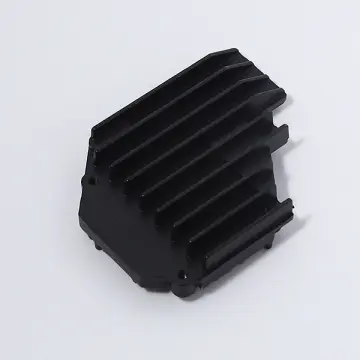
Profile Radiator

SRX-21-026-Y7
01
Core material: Made of 6063 high-purity aluminum alloy, with an ultra-high thermal conductivity of 205W/m · K, the thermal conductivity efficiency is increased by 30% compared to ordinary materials, balancing efficient heat dissipation and lightweight. The weight of a single radiator is reduced by 60% compared to traditional cast iron models.
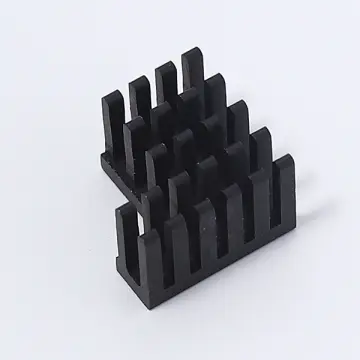
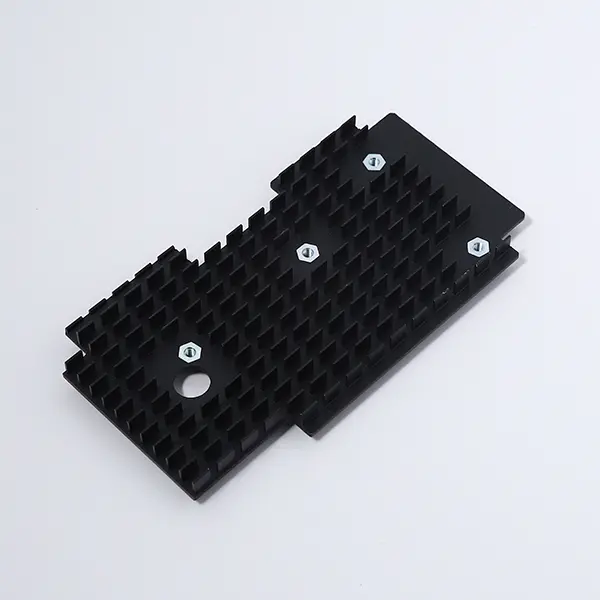
Innovative structure: High density fin array is created through extrusion molding process, with a 40% increase in the number of fins and precise thickness control at 0.3mm. The fin spacing is optimized by fluid mechanics to form a three-dimensional air duct structure, with an effective heat dissipation area 1.4 times that of similar products. The bottom adopts high-precision grinding technology, with a flatness error of ≤ 0.01mm, ensuring zero gap adhesion with the heat source and minimizing thermal resistance.
Protection process: Surface anodizing treatment forms a 20 μ m dense oxide film, which can withstand salt spray testing for over 1000 hours. It has excellent corrosion resistance and wear resistance, and is suitable for complex environments such as high temperature, high humidity, and industrial dust.
01
Intelligent Temperature Control System: Equipped with a hydraulic bearing silent turbofan, the maximum speed is 3000RPM, the air volume can reach 50CFM, and the operating noise is as low as 28dB. The built-in NTC intelligent temperature control chip can achieve automatic speed regulation in the range of 30-80 ℃, with a response time of less than 1.5 seconds, accurately matching the equipment's heat dissipation needs.
Adaptation scenarios: The product offers 5 standard size specifications and is compatible with different power heat sources ranging from 50W to 300W. It is widely used in CPU/GPU heat dissipation modules, LED mining lights, new energy vehicle electronic control systems, industrial automation control cabinets, and other scenarios. The fin shape and installation hole position can be customized to meet diverse heat dissipation needs.