
 008613968780263



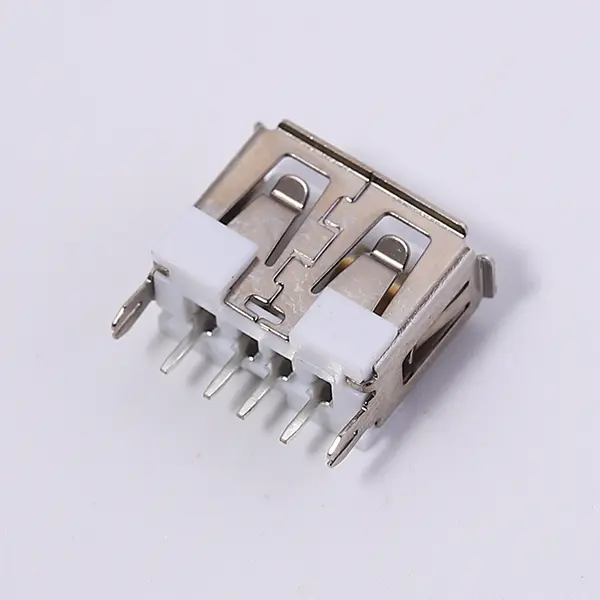
USB Connector

USB-02
01
1.Human - Machine Interaction Devices For human - machine interaction devices such as keyboards, mice, game controllers, and graphics tablets, the transmission requirement is less than 1Mbps, and USB 2.0 bandwidth is more than sufficient. Its ultra - low power consumption (<100mA) perfectly matches the power supply needs, and the cost is precisely controlled (with packaging chips costing <$0.5). It creates a stable and economical connection solution for daily office and entertainment interactions, ensuring that operation commands are transmitted efficiently without delays or freezes.
2.Basic Office Peripherals In the field of basic office peripherals, including dot - matrix/inkjet printers, scanners, and card readers, the demand for high - speed SD card reading is low (<20MB/s), and the amount of print command data is small (KB - level). USB 2.0 can easily handle these tasks. Meanwhile, the service life of these devices is as long as 5 - 10 years, and USB 2.0 has stable compatibility, eliminating the need for frequent interface iterations, ensuring the continuous smoothness of office processes, and reducing equipment replacement and maintenance costs.
01
3.Audio Devices In the case of audio devices like USB microphones, entry - level sound cards, and computer speakers, 16bit/48kHz audio streams only require 1.5Mbps. USB 2.0's synchronous transmission mode achieves ultra - low latency, and it can supply power without an external power source for devices with <100mA power consumption. This simplifies the deployment of audio devices, ensuring smooth sound collection and playback, and is suitable for personal creation and entertainment listening scenarios.
01
4. Low - Cost IoT Devices For low - cost IoT devices such as smart sockets, temperature and humidity sensors, and RFID card readers, the module cost of USB 2.0 is as low as <$1 (while USB 3.0 chips cost more than $3). The protocol stack is extremely simple (with MCU resource occupancy <10KB), and it can be used immediately without driver installation, helping developers quickly build the perception layer of the Internet of Things, reducing the threshold for IoT deployment, and accelerating the implementation of smart scenarios. ### 6. Traditional Equipment Maintenance For the maintenance of traditional equipment, including old - style cameras, barcode scanners, and medical equipment interfaces (stock devices produced from 2000 to 2010), USB 2.0 can be compatible for connection without the need to modify the original cables (Type - A direct connection). There are sufficient maintenance spare parts, prolonging the service life of old devices, ensuring the normal operation of legacy devices in fields such as healthcare and logistics, and saving equipment replacement costs. In conclusion, USB 2.0 products, with their in - depth adaptation to scenarios in multiple fields, meet the device connection needs in terms of transmission, cost, and compatibility. They have become an indispensable basic connection solution in the electronic ecosystem, continuously empowering the efficient operation and innovative development of various industries.